
Prenatal & Postpartum Massage in Wheaton
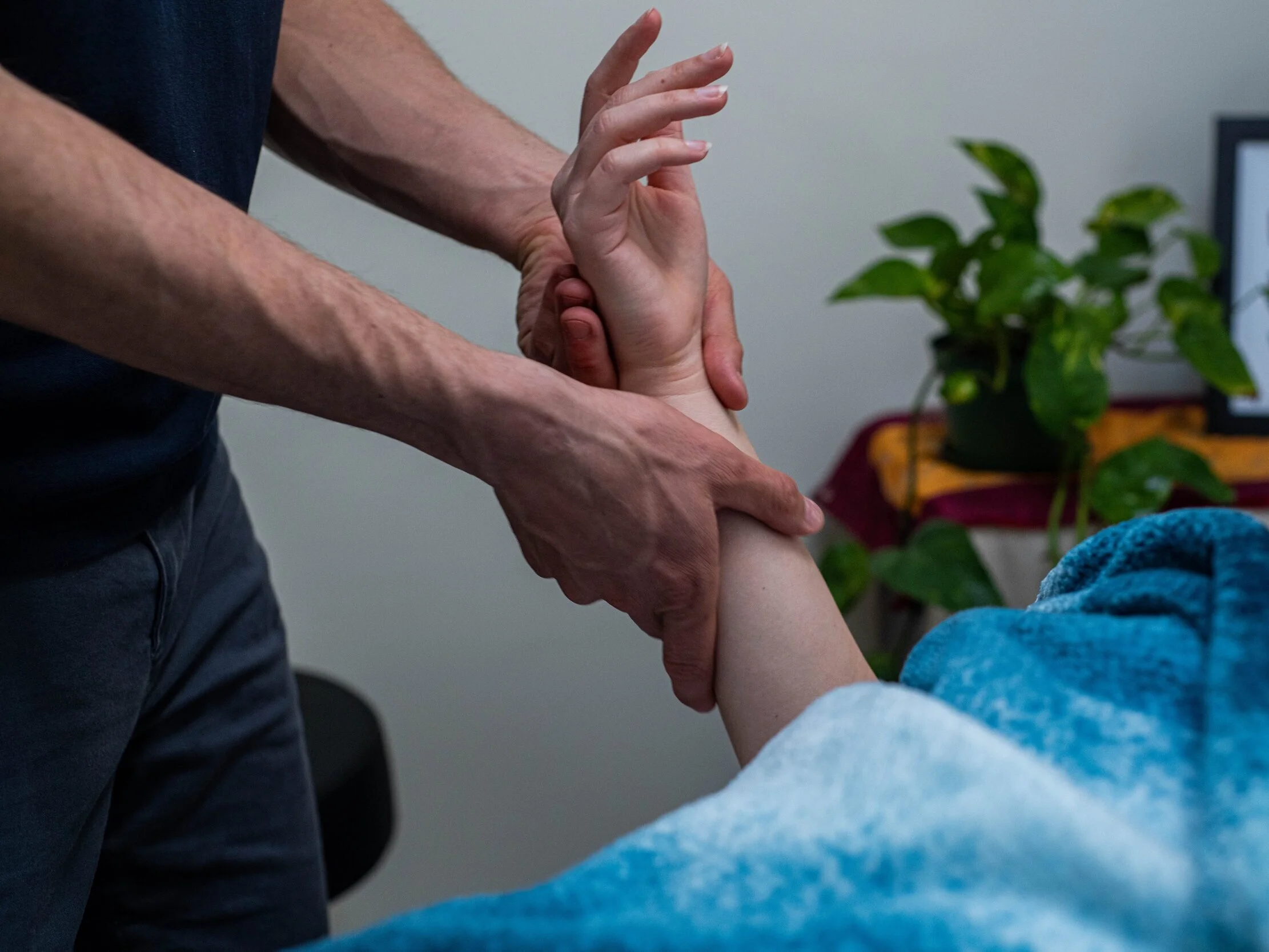
Pregnancy changes everything — the way you move, breathe, sleep, and feel in your own skin. At Hands on Healing in Wheaton, MD, perinatal massage is not a luxury service tacked onto a regular spa menu. It is specialized, evidence-informed bodywork built specifically for the pregnant and postpartum body.
Regular massage is an excellent support throughout your pregnancy journey and the sessions will change as your body changes. What your body needs in the third trimester is very different than in the first. I’ve created and follow a session plan arc that will take you from early pregnancy up to delivery. Sessions are available in 60, 75, and 90-minute increments — see rates here.
System-by-System Benefits of Perinatal Massage
Physical
Reduces lower back pain, sciatica, and hip pain
Decreases edema in legs, feet, and hands
Eases rib cage pressure, shortness of breath, and heartburn
Reduces headaches and sinus congestion
Improves circulation and lymphatic drainage
Addresses constipation, hemorrhoids, and leg cramps
Supports pelvic alignment and joint stability
Relieves breast soreness and engorgement
Emotional & Systemic
Reduces anxiety and prenatal depression symptoms
Improves sleep quality
Lowers cortisol and adrenaline levels
Builds body awareness and confidence going into labor
Supports the nervous system through hormonal transitions
Supports healthy preparation for birth and recovery
Increases serotonin and beta-endorphin production
Provides consistent, compassionate human contact
The sessions - what actually happens
I follow a series of session plans that change with you throughout your pregnancy. At different stages I will emphasize different techniques and focus on different areas of the body.
Lymphatic Massage
Gentle, precise strokes that help move excess fluid through the lymphatic system. Used on legs and feet throughout pregnancy and postpartum.
Myofascial Release
Slow, sustained stretching of the connective tissue surrounding muscles and organs. Particularly effective for rib cage pressure, abdominal tension, and pelvic floor support.
Trigger Point Therapy
Direct sustained pressure on specific tension points in muscle tissue. Addresses referred pain patterns in the lower back, hips, pelvis, scapulae, and neck.
Swedish Massage
Classic massage strokes — effleurage, pétrissage, friction — modified for pregnancy positioning and adapted significantly for the legs, where only lymphatic techniques are appropriate.
Positioning and Safety
Every session begins with a pretreatment evaluation — including checks for pitting edema and DVT risk. No session proceeds until these evaluations are complete. I also ask that you get the go-ahead from your midwife or OBGYN before we begin working together.
You will never be placed flat on your back after the first trimester. Side-lying is the primary position for most of pregnancy, with a body pillow, wedges, and additional support to keep your hips, knees, and ankles aligned. When prone positioning is appropriate, a specialized cushion system is used that supports the abdomen without compressing it.
Massage for EVERY STAGE
Preconception
If you are trying to conceive, bodywork has a role here too. Reducing chronic stress, improving pelvic circulation, releasing long-standing postural patterns, and supporting the nervous system creates a healthier foundation for pregnancy. Sessions focus on stress reduction, structural alignment, and overall reproductive health.
First Trimester — Weeks 1–13
Contrary to what you may have heard, massage will not cause a miscarriage and is not contraindicated in the first trimester. You can receive massage unless you are actively nauseated — and many clients in the Wheaton and Silver Spring area find it enormously helpful during this exhausting stretch of pregnancy.
The focus in the first trimester is on managing nausea, fatigue, emotional swings, and the subtle but real structural changes that begin as soon as your body starts changing. We establish the habits — the positioning, the lymphatic drainage on your legs, the gentle abdominal work — that carry through the rest of your pregnancy.
Second Trimester — Weeks 14–26
The second trimester is often called the comfortable trimester, but your body is working harder than ever. Blood volume has increased dramatically. Your center of gravity has shifted. Round ligament pain, back pain, and carpal tunnel can appear seemingly overnight.
Sessions in the second trimester incorporate pelvic tilts, sacral lifts, myofascial release for the abdomen and rib cage, trigger point work for the hips and lower back, and targeted lymphatic drainage on the legs. DVT risk becomes clinically significant in the second trimester, which is why all leg and foot work shifts to specialized lymphatic technique from this point forward. The goal is to keep you structurally sound, comfortable, and moving well as your body continues to change.
Third Trimester — Weeks 27–40
Third trimester sessions become more targeted and more essential. We work on the areas that are most compressed and overloaded — the lower back, hips, pelvis, rib cage, and legs. We address edema, low back and pelvic pain, sciatica, and shortness of breath with specific techniques developed for exactly these conditions. If your baby is in a breech position, myofascial release and craniosacral work can help create space for repositioning before 38 weeks.
Labor Preparation — 34 Weeks to Birth
In the final weeks, the focus shifts toward preparation. Sessions are designed to maximize hip and pelvic flexibility for the positions you may use during labor, soften and release the muscles and connective tissues most affected by delivery, and calm your nervous system. We also talk about perineal massage — something you can do at home starting at 34 weeks that has been shown to significantly reduce tearing and the need for episiotomy.
Postpartum
Recovery after birth is its own chapter. Whether your delivery was vaginal or cesarean, your body has just done something profound and it needs real attention. Lymphatic drainage on the legs continues for at least three months postpartum. The shoulder and neck strain of nursing and holding a baby is real and relentless. The pelvic floor and abdominal wall need gradual, thoughtful support.
The emotional weight of the postpartum period — including the possibility of postpartum depression, which can emerge up to a year after birth — deserves acknowledgment and support. For cesarean clients, we wait 6–8 weeks before working on the abdomen or scar, then begin progressive scar massage to prevent adhesions and restore mobility. For everyone in my Silver Spring and Wheaton practice, we work with where you actually are — not where you think you should be.
Serving pregnant and postpartum clients in Wheaton, Silver Spring, Kensington, and the surrounding Maryland area.